

Designing the Results Framework
Developed the programme's Theory of Change (ToC), results framework, and key performance indicators (KPIs) to guide implementation and performance measurement.
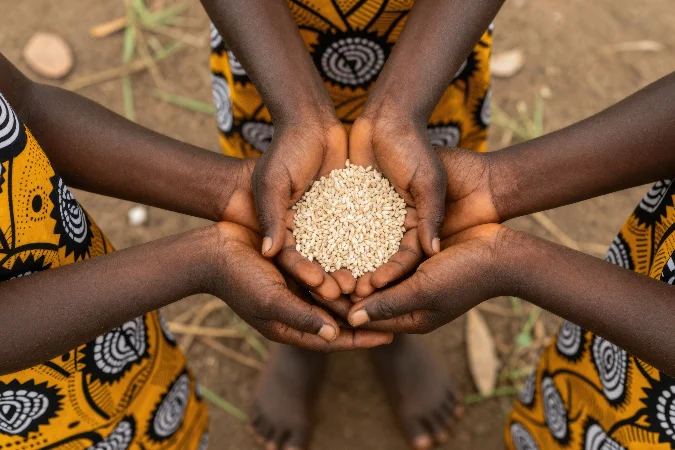
The project evaluated the Global Alliance for Improved Nutrition (GAIN) Workforce Nutrition (WFN) Global Programme, which aimed to improve the nutrition and diet diversity of women and children among tea workers and smallholder farming households in India, Kenya, and Malawi.
The assignment established the programme's monitoring and evaluation framework and assessed its impact on nutrition outcomes to inform evidence-based programme delivery.
Developed the programme's Theory of Change (ToC), results framework, and key performance indicators (KPIs) to guide implementation and performance measurement.
Delivered the baseline, mid-line, and endline evaluations to assess programme outcomes and measure changes in nutrition and dietary diversity.
Used a pre-post evaluation design and Propensity Score Matching (PSM) to estimate programme impact and strengthen the credibility of evaluation findings.
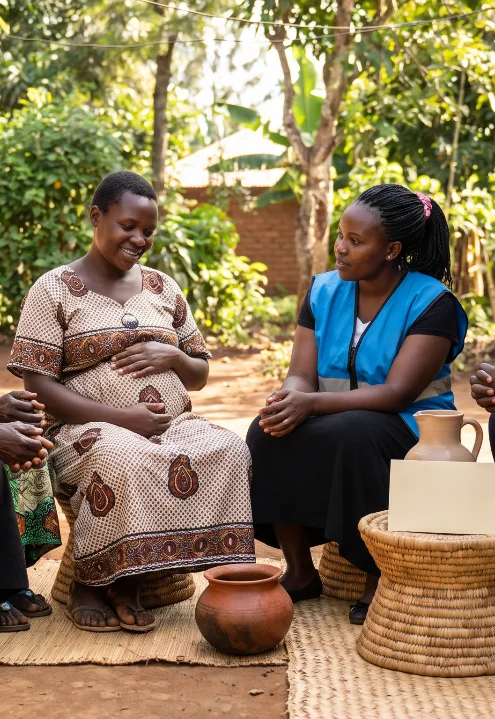
Led by FHI 360, this initiative strengthened locally led, evidence-based social and behaviour change (SBC) programming to improve health and development outcomes across Africa.
Read More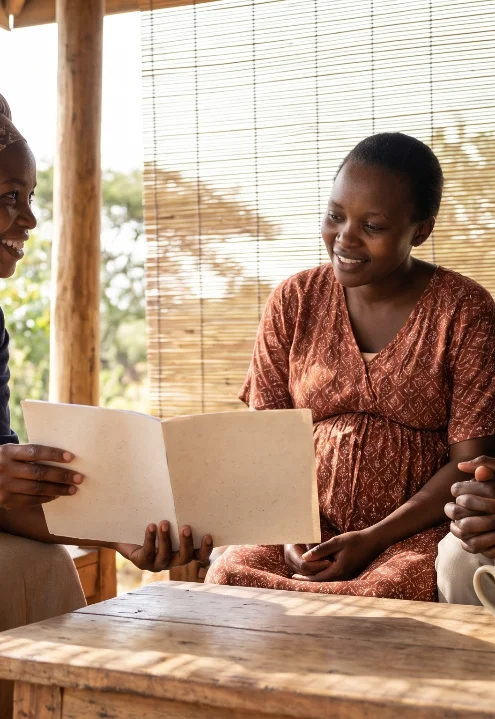
This initiative was a baseline study for Amref Health Africa to support its regional agenda on strengthening Human Resources for Health (HRH) and Sexual and Reproductive Health (SRH) medicines and commodities. The study generated evidence to inform government policies aligned with international standards and strengthen health systems advocacy.
Read More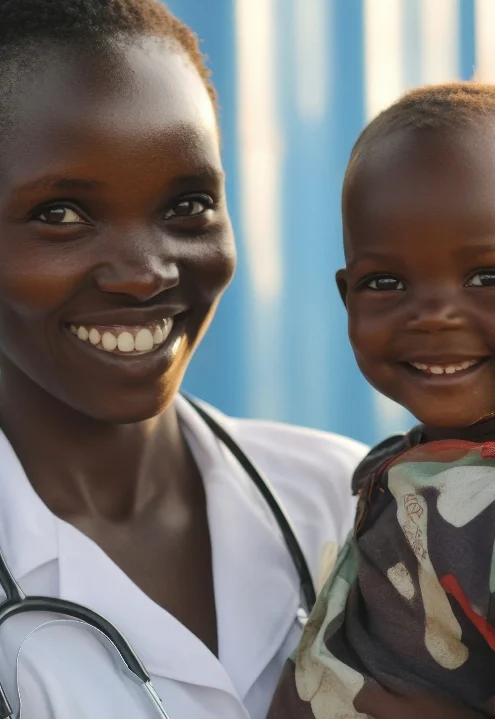
This project involved an impact evaluation of Kakamega County's RMNCH Cash Transfer Programme to assess its effectiveness in improving maternal, newborn, child health, and nutrition outcomes during the first 1,000 days of life.
Read More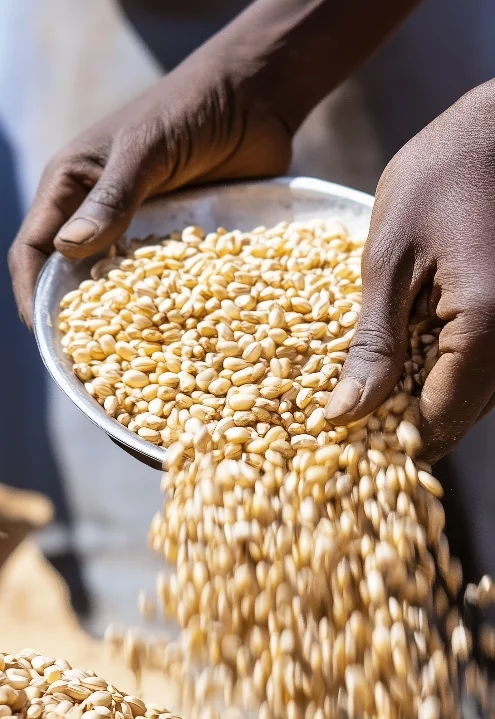
The project evaluated the Keeping Food Markets Working (KFMW) programme, implemented by the Global Alliance for Improved Nutrition (GAIN) with support from the Ministry of Foreign Affairs of the Netherlands. Designed as an emergency response to the COVID-19 pandemic, the programme aimed to strengthen food systems by supporting food system workers, small and medium enterprises, and fresh food markets.
Read More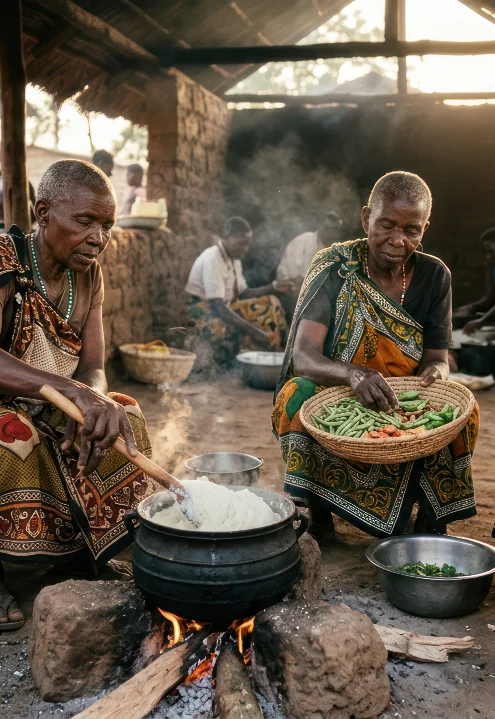
The project delivered the independent Mid-Term Evaluation (MTE) of GAIN's global food systems nutrition portfolio, spanning 45 projects across 11 low- and middle-income countries (LMICs).
Read More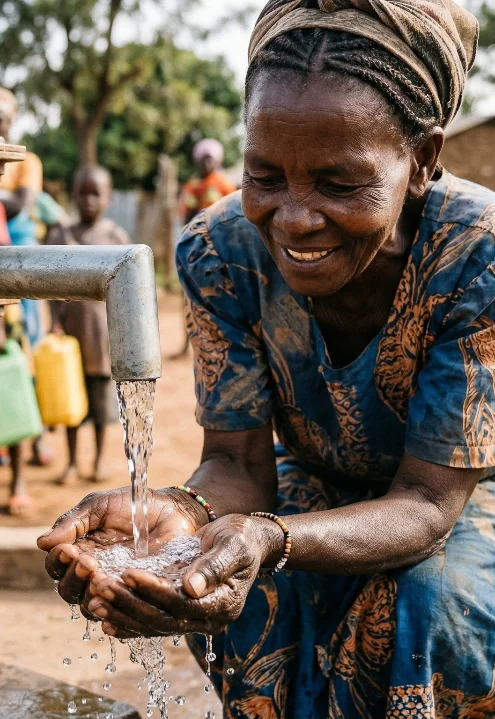
The project supported Ethiopia's One WaSH National Programme (OWNP) to strengthen accountability by operationalising the Water, Sanitation and Hygiene (WaSH) monitoring and evaluation (M&E) system
Read More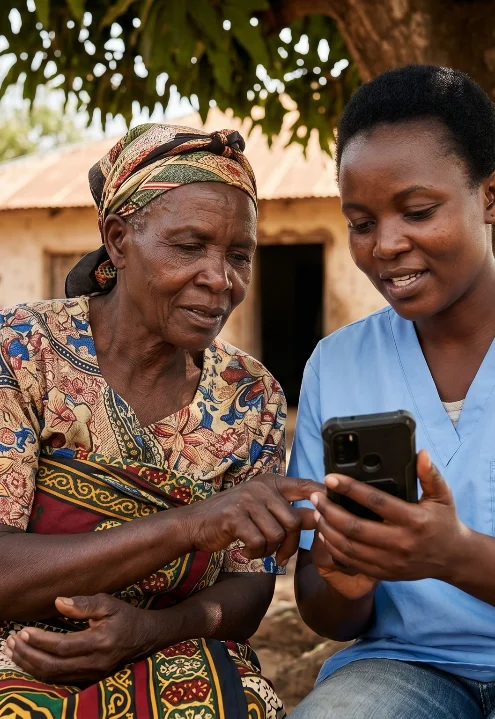
As part of the USAID-supported PAHAL initiative, IPE Global facilitated a strategic collaboration with Africa Health Business (AHB) to strengthen the health innovation ecosystem in East Africa.
Read More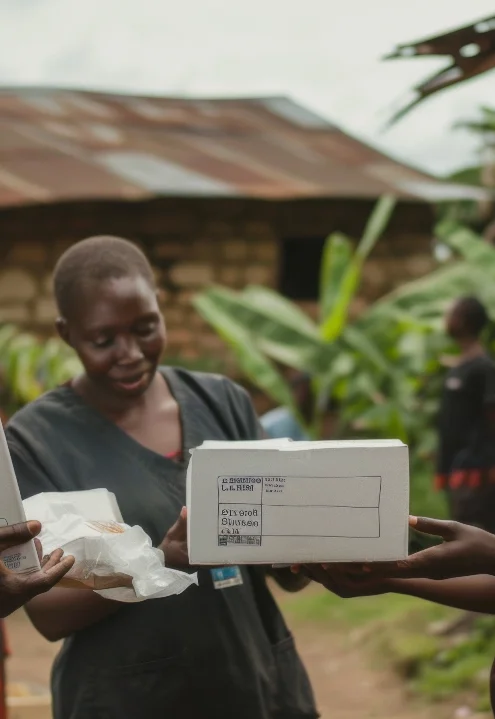
This initiative was an evaluation of the Health Partnership Scheme (HPS), which supports partnerships between UK health organisations and counterparts in 32 developing countries to strengthen health workforce capacity and health systems.
Read More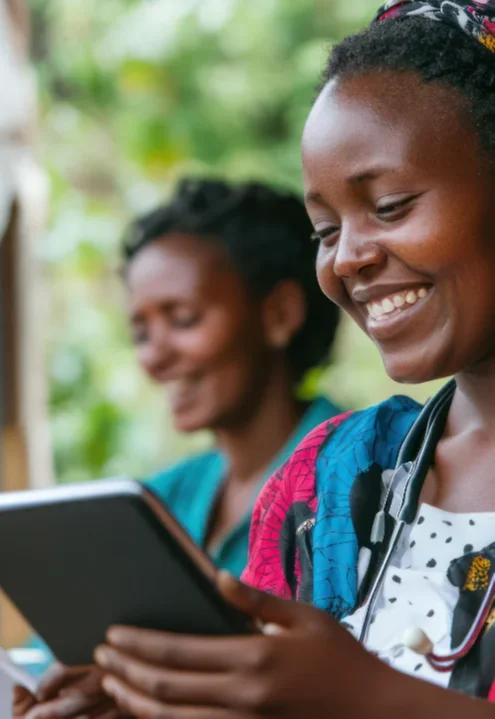
This project served as the External Contracting Agency (ECA) to design and implement a healthcare quality management and accreditation system under a performance-based financing model in Kenya.
Read More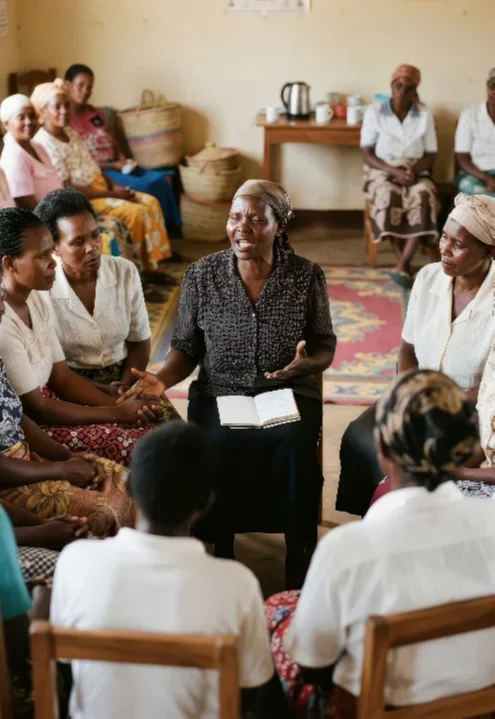
The Knowledge Partnership Programme (KPP) was a strategic initiative that showcased India's development experience and generated evidence on policy and practice innovations to address global development challenges.
Read More